

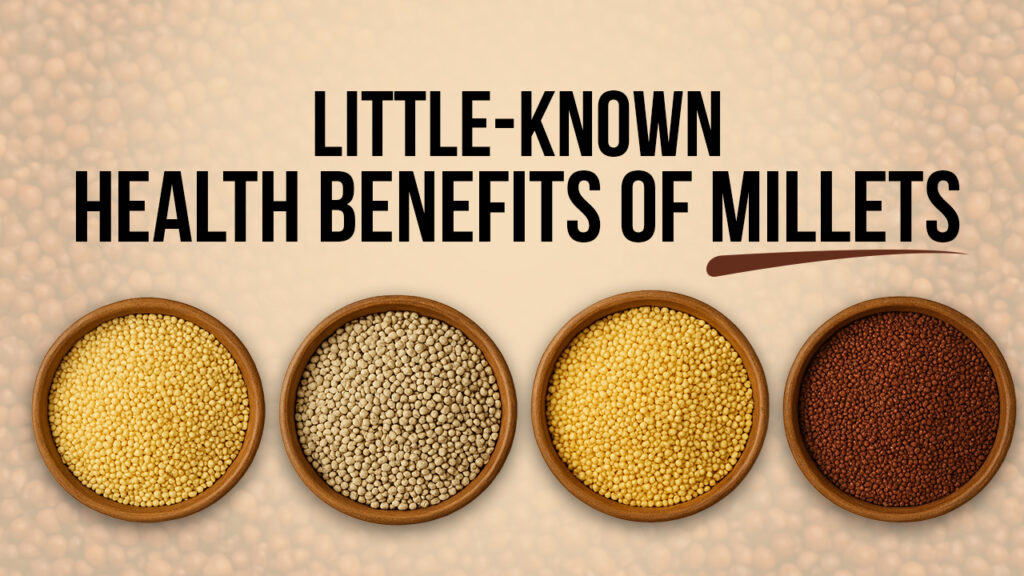
In today’s rat race world, food choices often come down to what’s quick and convenient. For many busy working professionals, this means processed snacks, refined carbs, or skipping meals altogether. Over time, this lifestyle affects fitness, gut health, weight, and even productivity. The good news? A simple, ancient grain is making a modern comeback. Yes, we’re talking about millets—a superfood with countless advantages that go far beyond what most people know.
This article explores the health benefits of millet, why it deserves a place in your daily diet, and how different types of millets can transform your lifestyle without requiring big sacrifices.
Why Busy Professionals Overlook Millets
Despite their long history in India, Africa, and parts of Asia, millets have been overshadowed by rice and wheat. Many working professionals ignore them for three main reasons:
- Lack of awareness about nutrition in millet.
- Belief that millets are “old-fashioned.”
- Perception that they take too much time to prepare.
In reality, modern ready-to-cook millet products and recipes make them perfect for professionals with hectic schedules.
Nutrition in Millet: A Quick Snapshot
Before diving into specific millet benefits, here’s what makes them special:
- Rich in fiber – Packed with fiber, helping maintain gut health and easy digestion.
- Packed with minerals like iron, calcium, magnesium, and zinc.
- Gluten-free → suitable for those with sensitivities.
- Low glycemic index → safe for people with no diabetes and also beneficial for blood sugar management.
- Plant-based protein → supports muscle repair and fitness goals.
Compared to polished rice or refined wheat, millets deliver more long-term energy, making them an excellent choice for working professionals and fitness enthusiasts.
Little-known Health Benefits of Millets
Millets aren’t just healthy—they’re smart food for modern lifestyles. Let’s uncover benefits that often go unnoticed.
1. Sustained Energy Throughout the Day
Millets deliver sustained energy, unlike refined carbs that lead to sudden crashes.. This is especially useful for professionals who need to stay sharp during long meetings or late work hours.
- Example: Sorghum (Jowar) keeps blood sugar steady and prevents midday fatigue.
2. Natural Stress and Anxiety Relief
Work pressure often leads to stress, which impacts both mental health and physical fitness. Millets are rich in magnesium and antioxidants that support the nervous system and calm the mind.
- Example: Little Millet (Kutki) helps reduce stress and strengthens immunity.
3. Supports Gut Health
Busy lifestyles often cause irregular meals and digestion issues. The fiber in millets acts like a natural prebiotic, improving gut health, reducing bloating, and boosting nutrient absorption.
- Example: Pearl Millet (Bajra) aids digestion while strengthening the immune system..
4. Millets for Weight Loss Without Hard Dieting
One of the top millet benefits is satiety. They keep you full longer, helping you avoid unhealthy snacking. For professionals who don’t have time for strict dieting, millets make weight loss more sustainable.
- Example: Barnyard Millet (Sanwa) is light, low-calorie, and easy to digest—perfect for dinner.
5. Better Sleep Quality
Good sleep equals better focus and productivity. Certain millets contain tryptophan, which helps your body produce melatonin, the sleep hormone.
- Example: Foxtail Millet (Thinai) supports restful sleep for overworked professionals.
6. Heart and Cholesterol Health
By reducing LDL cholesterol, millets naturally promote better heart health.. For sedentary jobs that limit physical activity, they offer much-needed balance.
- Example: Proso Millet (Barri) is rich in magnesium, a key nutrient for heart health.
7. Brain Power and Memory Boost
The combination of iron, folate, and B-vitamins in millets improves blood circulation and sharpens concentration—important for decision-making, creativity, and professional growth.
- Example: Finger Millet (Ragi) enhances memory and concentration while also strengthening bones.
8. Muscle Strength and Recovery
Professionals who hit the gym or follow fitness influencers online often look for natural protein sources. Millets are rich in amino acids that aid in muscle recovery after exercise.
- Example: Kodo Millet (Kodon) is protein-packed and ideal for post-workout meals.
Types of Millets
Here’s a quick reference to the different types of millets and their specific benefits:
- Finger Millet (Ragi) – Rich in calcium → supports bone health. Great for busy professionals who skip dairy.
- Foxtail Millet (Kangni / Thinai) – High in iron & B12 – boosts brain function. Contains tryptophan – promotes better sleep.
- Pearl Millet (Bajra) – Keeps the body warm in winters. Excellent for gut health & long-term energy.
- Sorghum (Jowar) – Gluten-free wheat alternative. Improves digestion and lowers cholesterol.
- Barnyard Millet (Sanwa / Samvat) – Low calorie, high fiber → good for weight loss. Light and easy to digest.
- Little Millet (Kutki / Sama) – Packed with antioxidants. Helps reduce stress and supports immunity.
- Kodo Millet (Kodon) – provides high protein content that promotes muscle recovery..
- Proso Millet (Chena / Barri) – High in magnesium and phosphorus. Prevents fatigue and boosts brain health.
Practical Ways to Add Millets into Your Diet
One of the greatest strengths of millets is how easily they adapt to different dishes. Here are quick, easy options:
- Breakfast: Ragi porridge, Foxtail millet upma (a south indian dish) or millet-based smoothies.
- Work lunch: Jowar roti wraps, millet salads, or khichdi.
- Healthy snacks: Millet crackers, energy bars, or roasted puffed millets.
- Dinner: Replace rice with Barnyard or Little millet for a light, digestion-friendly meal.
Ready-to-cook packs make it even easier for busy professionals to include them without much effort.
Tips to Get Started with Millets
- Start by replacing one meal a day with millet.
- Mix them with rice or wheat initially to adapt to the taste.
- Switching between different millets helps you gain diverse health advantages.
- Pair them with vegetables, lentils, or lean protein for a balanced meal.
Conclusion
The health benefit of millet goes far beyond simple nutrition. For busy professionals juggling work, fitness, and lifestyle goals, millets offer long-term energy, stress relief, weight balance, and even better sleep. Millets stand apart from fad diets by being both sustainable and flexible for everyday living.
Whether you are a working professional, a fitness influencer, or someone aiming for better skin, gut health, and overall wellness, adding millets to your daily food plan is a smart, timeless choice.
Start small—swap just one meal this week with a millet-based dish—and feel the difference in energy, focus, and overall health.
You may like – Weight Loss Smoothie