

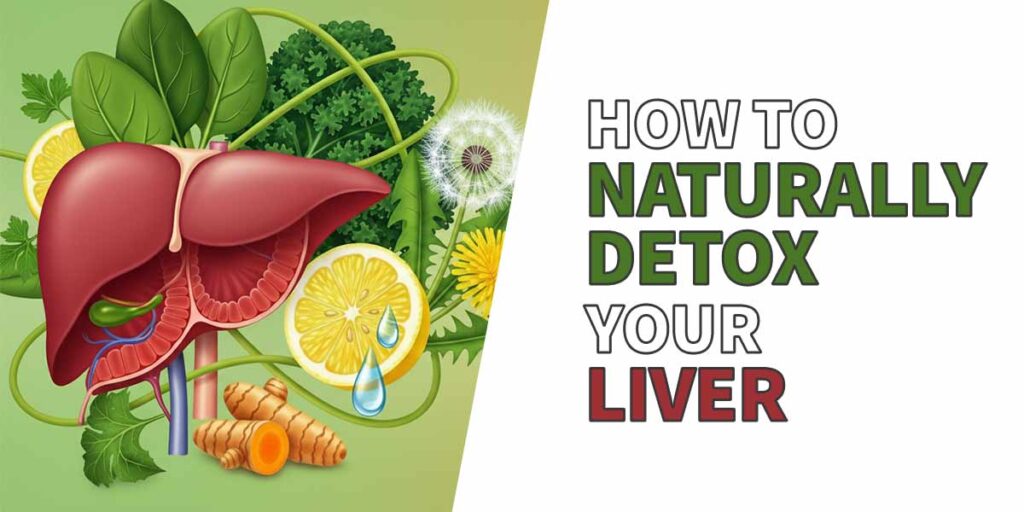
Ads for “liver detox juices,” herbal tonics, teas, and miraculous powders that promise to cleanse your liver overnight are likely to appear if you spend a few minutes scrolling through social media. The advertising is convincing. The assertions are audacious. The reality, however, is much more realistic and less spectacular.
No single glass of bitter gourd juice or detox powder can miraculously “wash” the liver clean if a person spends the entire week consuming high-sodium fried foods, drinking sugar-filled soft beverages, sleeping late after heavy dinners, and leading a mostly sedentary lifestyle. That belief is based more on marketing than on medical science.
Let’s explore what really supports liver health—and what doesn’t.
The Growing Reality of Liver Disease
One of the most concerning trends in modern healthcare is the rising incidence of Nonalcoholic Fatty Liver Disease (NAFLD).
NAFLD is no longer limited to older adults. Increasingly, individuals in their 20s and 30s are being diagnosed with fatty liver, liver inflammation, fibrosis, and in severe cases, advanced liver disease. In contrast to alcohol-induced liver damage, poor diet, insulin resistance, obesity, sedentary lifestyles, and excessive sugar intake are the main causes of nonalcoholic fatty liver disease (NAFLD).
What makes this condition particularly dangerous is that it often progresses silently. In the early stages, many people don’t have any symptoms. Damage might have already started by the time symptoms like exhaustion, stomach pain, or unusual blood tests show up.
The liver is often described as a “forgiving” organ because it has a remarkable ability to regenerate. However, regeneration only occurs when the body is provided with the right internal environment and essential nutrients. Without that support, liver damage continues quietly.
How Your Liver Actually Detoxifies
Your liver can detox without a juice cleanse, despite what many people think. Every single day, detoxification is an ongoing, innate biological activity.
The liver’s detox system works in two main phases:
Phase I: Activation
In the beginning stages of liver disease, fat-soluble toxins are converted into intermediate compounds through enzymatic reactions. These intermediate substances are often more chemically reactive—and sometimes more harmful—than the original toxins.
These reactive substances have the potential to build up and start harming liver cells if the process stops at this point.
Phase II: Conjugation and Elimination
In Phase II, these reactive intermediates are changed into water-soluble substances by the liver. After that, these can be safely eliminated by feces or urine.
For both phases to function efficiently, the body requires particular nutrients:
- B-complex vitamins
- Vitamin C
- Zinc
- Selenium
- Amino acids such as glycine and cysteine
- Antioxidants like glutathione
If your diet lacks these nutrients, toxins may become trapped after Phase I. Over time, this imbalance can increase inflammation and oxidative stress, contributing to long-term liver damage.
Detoxification is not about “flushing” toxins out in a day—it’s about consistently supporting these two biochemical pathways.
7 Science-Backed Nutrition Principles for Liver Health
Rather than relying on short-term detox trends, focus on long-term dietary strategies that support liver function.
1. Eat Sulfur-Rich Vegetables
Vegetables such as cabbage, radish, garlic, onions, and mustard greens are rich in sulfur compounds. They promote the formation of glutathione, a key antioxidant that protects cells from damage. Glutathione plays a key role in supporting Phase II liver detoxification.
- Strengthen the Gut–Liver Connection
The gut and liver are closely linked through what’s known as the gut–liver axis. When gut bacteria are imbalanced, toxins and inflammatory molecules can reach the liver more easily.
Natural drinks 11 Drinks for Your Gut Health and foods such as yogurt, buttermilk, kefir, Kanji (a traditional Indian fermented drink), and fermented vegetables help support and maintain healthy gut bacteria. A balanced microbiome reduces the toxin load reaching the liver.
3. Add Leafy Greens Daily
Leafy greens like spinach and fenugreek are packed with chlorophyll, folate, and powerful antioxidants. These nutrients support cellular repair and regeneration in liver tissue.
Green vegetables also improve overall metabolic health, which indirectly protects the liver from fat accumulation.

4. Prioritize Fiber
In the intestines, fiber binds excess bile acids and toxins, helping eliminate them through stool. This reduces the liver’s workload and improves metabolic balance.
Whole grains, legumes, vegetables, fruits, and seeds are excellent sources of dietary fiber.
5. Avoid Liquid Sugar
Soft drinks, energy drinks, sweetened teas, and packaged fruit juices often contain high amounts of fructose. Excess fructose is rapidly converted into fat in the liver, increasing the risk of fatty liver disease.
Liquid sugar is especially harmful because it bypasses satiety signals, leading to higher total calorie intake.
6. Stop Using Reused Cooking Oil
Repeatedly heating cooking oils produces oxidized lipids and harmful compounds. These substances increase oxidative stress and inflammation, which can damage liver cells over time.
Using fresh oil in moderation—and choosing stable cooking fats—is far safer than repeatedly reheating the same oil.
7. Reduce Refined Carbohydrates
White flour products, pastries, and ultra-processed snacks cause rapid insulin spikes. Chronically elevated insulin levels push the liver into fat-storage mode, contributing to fatty liver development.
Replacing refined carbohydrates with whole grains helps stabilize blood sugar and reduce metabolic stress on the liver.
Liver Disease Warning Signs You Should Never Ignore
Although liver disease often develops silently, certain early symptoms of liver problems require immediate medical evaluation:
- Ongoing pain or discomfort in the upper right side of the abdomen
- Unexplained extreme fatigue
- Yellowing of the eyes or skin (jaundice)
- Dark urine or pale stools
- Unexplained weight loss
Jaundice in particular may indicate serious liver dysfunction and should never be ignored.
Early diagnosis through routine blood tests and imaging can prevent progression to advanced disease.
The Final Takeaway: Discipline Over Detox
Your liver is capable of healing—but only if you stop overwhelming it.
No detox drink can undo weeks, months, or years of poor lifestyle eating habits overnight. The idea of a quick “reset” is appealing, but biology doesn’t work that way.
True liver support comes from:
- Reducing added sugar
- Avoiding ultra-processed foods
- Eating fiber-rich vegetables
- Supporting gut health
- Maintaining a healthy weight
- Sleeping adequately
- Staying physically active
Sustainable metabolic health is built through daily discipline, not shortcuts.
Instead of searching for miracle cleanses, focus on consistent, science-based habits. Your liver doesn’t need extreme measures—it needs steady, long-term support.
In the end, the most powerful detox plan isn’t found in a bottle. It’s found in your everyday choices.